How to Build a Championship Culture in Your Wrestling Program

Category: Helping Coaches

  • How to Build a Championship Culture in Your Wrestling Program

    How to Build a Championship Culture in Your Wrestling Program

    A successful wrestling program isn’t just about talented athletes—it’s about building a culture that breeds champions. The best teams don’t just train hard; they embrace a mindset of discipline, accountability, and relentless improvement. As a coach, it’s your job to establish a winning culture that sets your team apart. Here’s how you can do it.

    Champion Mindset Starts Small

    Establish Core Values

    Championship programs are built on core values that guide every aspect of training and competition. These could include:

    • Discipline: Show up on time, work hard, and stay committed.
    • Accountability: Every wrestler takes ownership of their actions.
    • Grit: Pushing through adversity and never quitting.
    • Respect: Treat teammates, coaches, and opponents with integrity.
    • Continuous Improvement: Strive to be better every single day.

    ✅ Action Step: Write down your team’s core values and reinforce them at every practice and competition.

    Lead by Example

    Your athletes will mirror your energy, work ethic, and attitude. If you expect discipline, be disciplined. If you demand effort, show effort. A coach who leads by example earns the respect and trust of their team.

    ✅ Action Step: Set the tone with your own preparation, punctuality, and passion.

    Develop a Strong Work Ethic

    A championship culture thrives on hard work. It’s not just about putting in the hours—it’s about making every rep, drill, and session count.

    • Implement structured, high-intensity practices.
    • Challenge wrestlers to push beyond their comfort zones.
    • Reinforce the importance of proper conditioning and strength training.

    ✅ Action Step: Design practice plans that maximize efficiency and effort.

    Build Mental Toughness

    Physical skills mean nothing without mental toughness. Teach your wrestlers how to handle pressure, push through fatigue, and stay focused in high-stakes matches.

    • Use adversity as a learning tool.
    • Implement mindset training (visualization, goal setting, breathing techniques).
    • Encourage wrestlers to embrace the grind instead of fearing it.

    ✅ Action Step: End each practice with a mental challenge—whether it’s a grueling conditioning drill or a reflection on overcoming setbacks.

    Create a Family Atmosphere

    Great teams aren’t just teammates—they’re family. Build trust and camaraderie by fostering a supportive environment where everyone feels valued.

    • Celebrate wins together.
    • Support each other during losses.
    • Encourage team bonding outside of the wrestling room.

    ✅ Action Step: Plan occasional team-building activities, such as group workouts, meals, or film study sessions.

    Hold Everyone Accountable

    No one is above the team. Every wrestler—no matter their skill level—should be held to the same standard of effort, attitude, and accountability.

    • Set clear expectations.
    • Enforce discipline fairly and consistently.
    • Encourage wrestlers to hold each other accountable as well.

    ✅ Action Step: Have team leaders take ownership by helping enforce standards and expectations.

    Focus on Long-Term Development

    Success isn’t just about winning this season—it’s about building wrestlers who continue improving year after year.

    • Prioritize skill development over quick fixes.
    • Teach techniques that translate to long-term success.
    • Help athletes set personal goals beyond their current season.

    ✅ Action Step: Have each wrestler create short-term and long-term goals for improvement.

    Keep the Energy High

    A program with a positive, intense atmosphere creates motivated athletes. Keep the energy level high in the room by:

    • Playing music during warm-ups.
    • Keeping practices competitive and engaging.
    • Celebrating hard work, not just results.

    ✅ Action Step: Start every practice with enthusiasm, setting the tone for intensity and focus.

    Make Winning a Habit

    Winning isn’t just about talent—it’s about expecting success and preparing for it daily. Teach wrestlers to approach every practice, drill, and match with a champion’s mindset.

    • Instill confidence through repetition and preparation.
    • Teach them to embrace pressure rather than fear it.
    • Reinforce the idea that champions are made in practice.

    ✅ Action Step: Create a mantra that defines your team’s winning mindset and repeat it often.

    Final Thoughts

    A championship culture isn’t built overnight—it’s developed through consistent effort, leadership, and belief in the process. When you establish the right mindset, work ethic, and team environment, success will follow.

    🔹 Now ask yourself: Is your program built to create champions, or are you just hoping for one?
  • The Best Drills for Developing Explosive Takedowns

    The Best Drills for Developing Explosive Takedowns

    Introduction

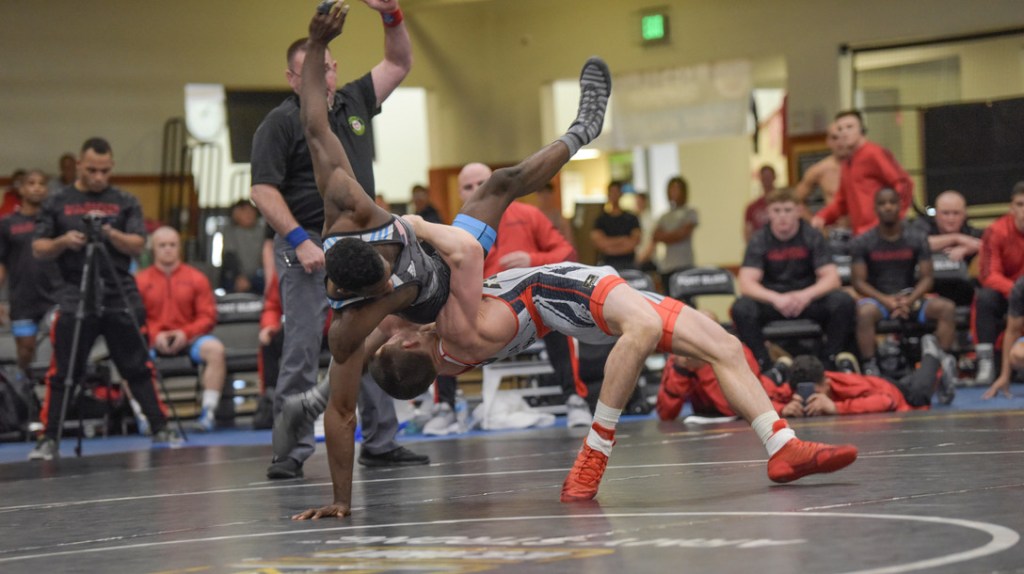
    In wrestling, takedowns win matches. Whether you’re shooting a double leg, hitting a slick ankle pick, or executing a powerful blast double, explosiveness is key. Developing explosive takedowns requires a combination of speed, strength, and technique. This guide will break down the best drills to build explosive takedowns that will give you an edge on the mat.

    Shot Penetration Drills

    Why It Works:

    A strong takedown starts with proper penetration. If a wrestler stops mid-shot, they’ll lack the power to finish. Shot penetration drills improve forward drive and explosiveness.

    How to Do It:

    • Start in a wrestling stance.
    • Perform a deep penetration step, driving off the back leg.
    • Extend the lead knee forward while keeping the trail leg low and ready to drive.
    • Follow through by coming back to stance and repeating.

    Bonus Variation: Add resistance bands for added explosiveness.

    Reactive Takedown Drills

    Why It Works:

    Takedowns in live matches require quick reactions. These drills improve speed and muscle memory.

    How to Do It:

    • Partner Drill: Have a partner randomly call out “shot” and react by immediately executing a takedown.
    • Coach Clap Drill: The wrestler reacts to a coach’s clap by shooting immediately.
    • Band-Resisted Shots: Use resistance bands attached to a stationary object, forcing the wrestler to drive harder through their shots.

    Bonus Tip: Use a stopwatch and time each set to build reaction speed.

    Medicine Ball Explosive Throws

    Why It Works:

    Takedowns require explosive hip drive. Medicine ball throws develop fast-twitch muscle fibers essential for takedowns.

    How to Do It:

    • Stand in an athletic stance.
    • Hold a heavy medicine ball at chest level.
    • Perform an explosive squat and throw the ball forward against a wall or to a partner.
    • Reset and repeat for 10 reps.

    Bonus Variation: Try rotational throws to simulate twisting finishes.

    Sled or Partner Resistance Sprints

    Why It Works:

    Takedown power comes from leg drive. Resistance sprints strengthen the muscles used for finishing shots.

    How to Do It:

    • Attach a sled or resistance harness.
    • Sprint forward at full speed for 10-15 yards.
    • Walk back and repeat for 5-6 sets.

    Bonus Variation: Have a partner hold a resistance band while you shoot takedowns.

    Chain Wrestling Drills

    Why It Works:

    Explosive takedowns don’t always land clean. Being able to transition into secondary attacks makes a huge difference.

    How to Do It:

    • Start with a single leg attempt.
    • If blocked, immediately transition into a double leg or high crotch.
    • Continue chaining attacks for 30-second live drills.

    Bonus Variation: Have a partner provide light resistance to simulate real situations.

    Stance & Motion Drills

    Why It Works:

    Good stance and movement set up explosive shots. These drills build footwork and positioning.

    How to Do It:

    • Stay in a low stance and circle left, right, forward, and backward.
    • Change levels and fake shots to keep your movement dynamic.
    • Perform for 30-60 seconds in high-intensity bursts.

    Bonus Tip: Add a shot sprint every 10 seconds to mimic match scenarios.

    Developing explosive takedowns isn’t just about brute strength—it’s about speed, power, and technique. These drills will help wrestlers shoot faster, penetrate deeper, and finish stronger. Incorporate them into your training to take your takedown game to the next level!

  • How to Structure the Perfect Wrestling Practice: Warmups, Drills, and Live Matches

    How to Structure the Perfect Wrestling Practice: Warmups, Drills, and Live Matches

    A well-structured wrestling practice is essential for skill development, endurance, and overall team success. The right balance of warmups, drills, and live wrestling keeps athletes engaged while maximizing their performance. This guide will walk you through the ideal wrestling practice structure to ensure your wrestlers improve every session.

    Warm-Up Routine (15-20 Minutes)

    A proper warm-up prepares the body for high-intensity training while reducing injury risk.

    • Arm circles, neck bridges, and hip mobility drills
    • Leg swings and knee hugs

    Wrestling-Specific Drills

    • Stance and motion drills
    • Hand-fighting and pummeling
    • Shot setups at half-speed

    Cardiovascular Activation

    • Jogging, lateral shuffles, and short sprints
    • Shadow wrestling for movement efficiency

    Technical Drilling (30-40 Minutes)

    This segment focuses on refining technique and building muscle memory.

    Fundamental Techniques

    • Stance, movement, and level changes
    • Takedown setups and finishes
    • Escapes and reversals

    Partner Drills

    • Chain wrestling sequences
    • Shot defense and counters
    • Mat returns and riding drills

    Positional Training

    • Situational drilling from top, bottom, and neutral
    • Live go’s from specific positions

    Live Wrestling (20-30 Minutes)

    Live wrestling helps simulate match conditions and build endurance.

    Short-Go Situations

    • 30-second to 1-minute high-intensity bursts
    • Focus on scoring quickly and maintaining control

    Full Live Matches

    • Wrestlers compete in full-length matches with coaching feedback
    • Rotate partners for varied experience

    Shark Tank Drills

    • One wrestler stays in while fresh partners rotate in every 30-60 seconds
    • Develops conditioning and mental toughness

    Conditioning & Strength Training (15-20 Minutes)

    Wrestlers need superior conditioning to maintain intensity throughout matches.

    High-Intensity Drills

    • Sprints, sprawls, and burpees
    • Grip and core endurance exercises

    Strength Work

    • Bodyweight exercises (push-ups, pull-ups, squats)
    • Resistance band and kettlebell drills

    Cool-Down & Recovery (10 Minutes)

    A proper cooldown aids recovery and prevents injuries.

    Static Stretching

    • Focus on hamstrings, shoulders, and lower back

    Breathing Exercises

    • Controlled breathing to reduce heart rate and improve recovery

    Team Meeting & Mental Preparation

    • Discuss key takeaways from practice
    • Mental toughness and match strategies

    A structured wrestling practice ensures athletes develop technical skills, conditioning, and mental toughness. By following this framework, you’ll create a productive training environment that prepares wrestlers for competition success.