Preventing Wrestling Injuries: Recovery, Mobility, and Prehab Drills

Author: Aidan Ruddy

  • Preventing Wrestling Injuries: Recovery, Mobility, and Prehab Drills

    Preventing Wrestling Injuries: Recovery, Mobility, and Prehab Drills

    Wrestling is one of the most physically demanding sports, requiring strength, endurance, and agility. With such high-intensity training and competition, injuries are a common concern. However, with the right approach to recovery, mobility, and prehab drills, wrestlers can reduce their risk of injury and stay on the mat longer. In this guide, we’ll break down key strategies to keep your body resilient and performing at its best.

    Recovery: Essential for Longevity

    Recovery is just as important as training. Without proper recovery, your body remains in a constant state of stress, increasing the likelihood of injuries. Here are key recovery strategies for wrestlers:

    Sleep and Nutrition

    • Aim for 7-9 hours of quality sleep per night to allow muscle repair.
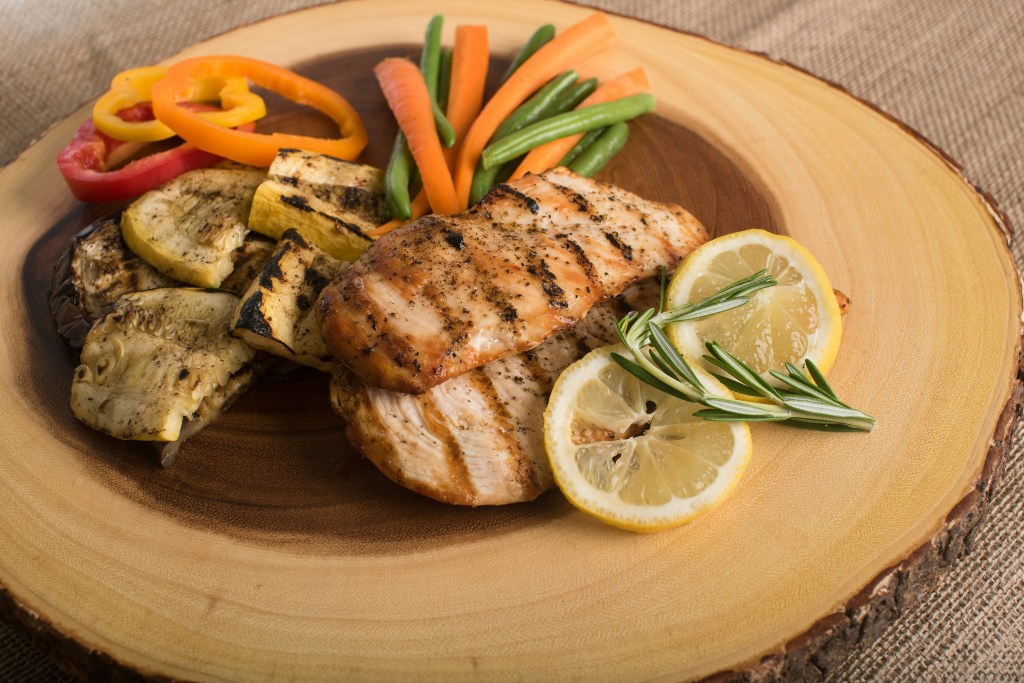
    • Consume a high-protein diet with adequate carbohydrates and healthy fats to fuel recovery.
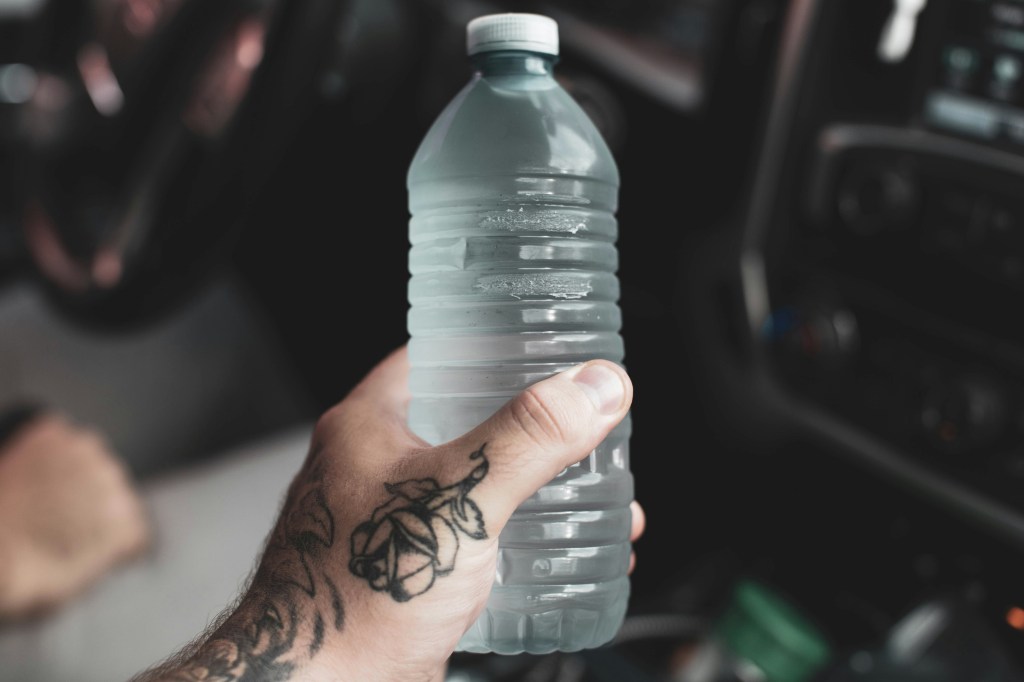
    • Stay hydrated to support muscle function and prevent cramping.

    Active Recovery

    • Engage in low-intensity activities like swimming, cycling, or yoga on rest days.
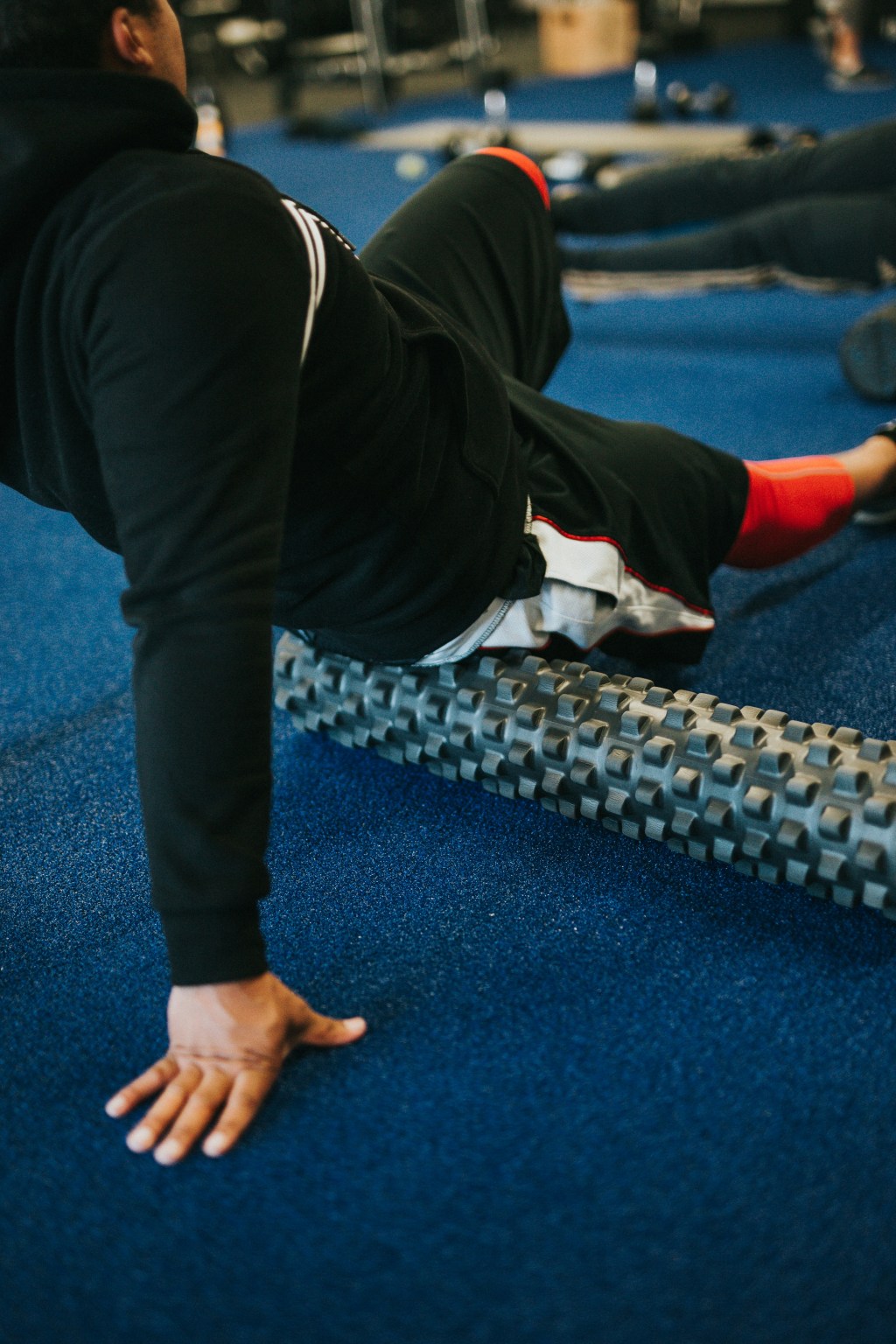
    • Foam rolling and self-myofascial release help alleviate muscle tightness.
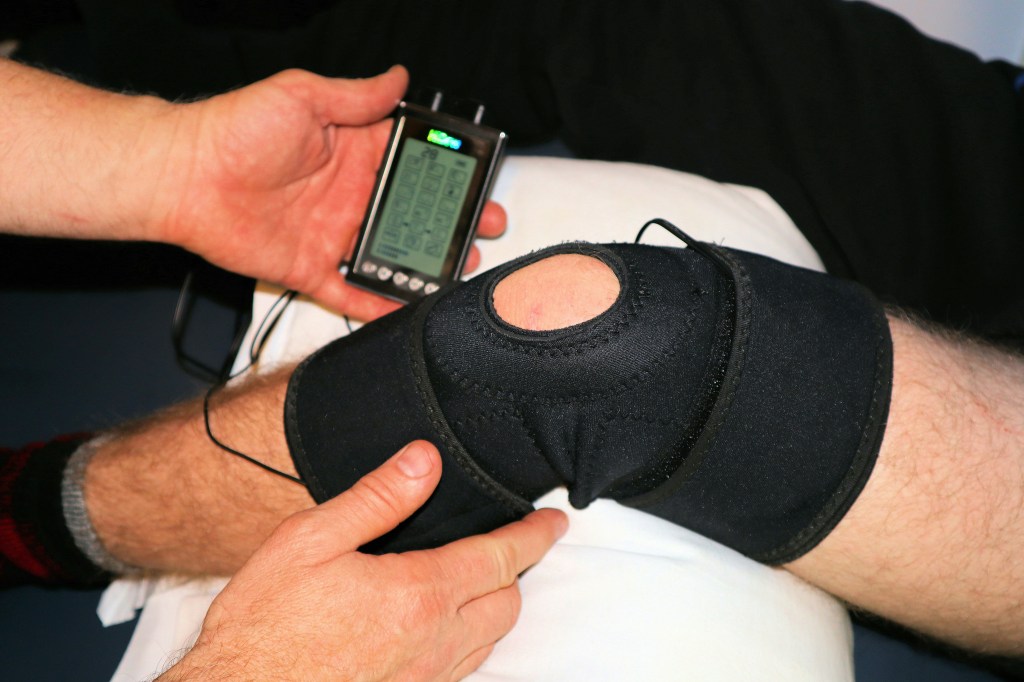
    • Utilize ice baths or contrast showers to reduce inflammation and soreness.

    Mobility: Increasing Range of Motion

    Mobility is critical for wrestling, allowing you to move efficiently while reducing strain on joints and muscles. Incorporate these drills daily:

    Dynamic Stretching (Before Practice)

    • Arm Circles & Shoulder Rolls – Loosens up shoulders for upper body engagements.
    • Leg Swings (Front & Side) – Enhances hip mobility for shots and sprawls.
    • Spiderman Lunge with Rotation – Improves hip and thoracic spine mobility.

    Static Stretching (Post-Practice)

    • Hamstring & Hip Flexor Stretch – Relieves tension from stance and shooting.
    • Butterfly Stretch – Enhances groin and inner thigh flexibility.
    • Thoracic Spine Stretch – Reduces upper back stiffness from hand fighting.

    Prehab Drills: Injury Prevention Workouts

    Prehab (preventative rehab) focuses on strengthening stabilizing muscles and improving movement patterns to prevent injuries before they happen.

    Neck Strengthening

    • Neck Bridges (Front & Back) – Strengthens the neck to reduce concussion risk.
    • Resisted Neck Flexion & Extension – Builds stability against whiplash forces.

    Shoulder & Rotator Cuff Stability

    • Band External Rotations – Prevents shoulder dislocations.
    • Scapular Wall Slides – Promotes proper shoulder mobility.
    • Face Pulls – Strengthens rear delts for better posture.

    Knee & Ankle Stability

    • Single-Leg Balance Drills – Enhances joint control to prevent sprains.
    • Banded Lateral Walks – Strengthens hips to stabilize the knees.
    • Calf Raises & Tibialis Raises – Protects against ankle injuries.

    Core & Lower Back Strength

    • Dead Bugs & Bird Dogs – Improves core stability for better body control.
    • Planks (Front & Side) – Builds endurance to protect the spine.
    • Glute Bridges – Reinforces lower back and hip stability.

    Final Thoughts

    Preventing injuries in wrestling requires a holistic approach—proper recovery, mobility work, and prehab exercises all play a role in keeping wrestlers strong and healthy. Implement these strategies consistently to maintain peak performance and longevity in the sport.

    By prioritizing these areas, you can reduce downtime due to injuries and continue to progress on the mat. Stay smart, stay strong, and keep wrestling!

  • Helping Wrestlers Succeed: Essential Tips for Training, Nutrition, and Mindset

    Helping Wrestlers Succeed: Essential Tips for Training, Nutrition, and Mindset

    Wrestling is one of the most demanding sports, requiring a combination of strength, endurance, technique, and mental toughness. Whether you’re a beginner looking to improve or an experienced wrestler aiming to refine your skills, this guide will provide key insights into training, nutrition, and mindset strategies to help you dominate on the mat.

    Strength & Conditioning for Wrestlers

    Wrestlers need explosive power, muscular endurance, and functional strength. A well-structured strength program should focus on:

    • Compound Movements: Squats, deadlifts, bench press, and overhead press for full-body power.
    • Explosive Exercises: Power cleans, kettlebell swings, and plyometrics to develop speed and power.
    • Grip Strength Training: Farmer’s carries, towel pull-ups, and rope climbs to improve control over opponents.
    • Conditioning Drills: High-intensity interval training (HIIT), sprint work, and wrestling-specific conditioning circuits to improve stamina.

    Wrestling Technique & Drills

    Mastering fundamental wrestling techniques is crucial for success. Here are some must-have skills:

    • Takedowns: Double leg, single leg, and ankle picks.
    • Escapes & Reversals: Stand-ups, granby rolls, and sit-outs.
    • Top Control & Pinning: Half nelsons, cradles, and leg rides.

    Drills to Improve:

    • Shadow wrestling
    • Chain wrestling drills
    • Live situational sparring

    Nutrition for Wrestlers

    Fueling your body properly is just as important as training. Follow these nutrition guidelines:

    • Pre-Training Meals: Lean protein + complex carbs (e.g., chicken and rice, oatmeal with eggs).
    • Post-Training Recovery: Protein shake + fast-digesting carbs (e.g., fruit, protein bar).
    • Hydration: Stay hydrated with water and electrolyte drinks to prevent cramping and fatigue.
    • Weight Cutting: Follow a safe, gradual process to avoid losing strength and energy.

    Mental Toughness & Mindset

    Wrestling is as much a mental battle as it is a physical one. Develop a strong mindset by:

    • Setting Goals: Track progress and focus on small improvements.
    • Visualization: Mentally rehearse matches and successful techniques.
    • Overcoming Setbacks: Learn from losses and use them as motivation.
    • Confidence Building: Positive self-talk and pre-match routines to stay focused.

    Recovery & Injury Prevention

    To stay at peak performance, recovery must be a priority:

    • Stretching & Mobility: Daily mobility drills to prevent stiffness.
    • Active Recovery: Light workouts, yoga, or swimming to stay fresh.
    • Injury Prevention: Strengthen stabilizer muscles and address weaknesses before they become injuries.

    Conclusion

    Success in wrestling requires a balanced approach of strength training, technical drilling, proper nutrition, and mental preparation. By implementing these strategies, you can improve your performance and gain an edge over your competition.

    Want more wrestling tips and exclusive training guides? Subscribe to WrestleSmart for updates!

  • 5 Biggest Nutrition Mistakes Wrestlers Make (and How to Fix Them)

    5 Biggest Nutrition Mistakes Wrestlers Make (and How to Fix Them)

    When it comes to wrestling, nutrition is just as important as training. You can be the strongest and most conditioned wrestler on the mat, but if you’re not fueling your body correctly, you’ll struggle to perform at your best. Unfortunately, many wrestlers fall into common nutrition mistakes—especially when cutting weight. These mistakes can lead to fatigue, poor recovery, and even lost matches.

    If you want to maximize your strength, endurance, and recovery, avoid these five biggest nutrition mistakes wrestlers make and learn how to fix them.

    Cutting Weight Too Fast

    The Mistake:
    Many wrestlers wait until the last few days before weigh-ins to start cutting weight. They drastically reduce food and water intake, relying on sweat suits, sauna sessions, and extreme dehydration. While this may get you to your target weight temporarily, it kills your performance on the mat.

    The Fix:

    • Start early: Gradually reduce your weight over a few weeks rather than crash-cutting in a few days.
    • Focus on nutrition: Eat whole, nutrient-dense foods while slightly reducing portions to create a manageable calorie deficit.
    • Monitor hydrationA properly hydrated wrestler performs better—don’t cut water intake too early.

    👉 Pro Tip: A well-planned weight cut should not result in more than a 1-2% loss of body weight per week.

    Not Eating Enough Protein

    The Mistake:
    Wrestlers often cut calories too aggressively, reducing protein intake. This leads to muscle loss, slower recovery, and decreased strength. Wrestling is a high-intensity sport that breaks down muscle, and without enough protein, you won’t recover properly.

    The Fix:

    • Eat protein with every meal—aim for at least 0.7-1 gram of protein per pound of body weight daily.
    • Best protein sources for wrestlers:
      • Lean meats (chicken, turkey, lean beef)
      • Fish
      • Eggs
      • Greek yogurt
      • Protein shakes

    👉 Pro Tip: After practice, consume 20-30g of protein within 30-60 minutes to jumpstart recovery.

    Dehydration Before Matches

    The Mistake:
    Many wrestlers cut water weight to make weight but don’t properly rehydrate after weigh-ins. Even 2% dehydration can lead to reduced endurance, strength, and focus—major disadvantages in a match.

    The Fix:

    • Hydrate throughout the week, not just the day before weigh-ins.
    • After weigh-ins, drink an electrolyte-rich fluid (Pedialyte, coconut water, or a sports drink) to replenish lost minerals.
    • Avoid caffeine or excessive diuretics before matches.

    👉 Pro Tip: A good hydration strategy can improve reaction time, endurance, and strength on the mat.

    Skipping Carbs for Energy

    The Mistake:
    Some wrestlers believe that eating carbs leads to weight gain and try to avoid them entirely. However, carbs are your body’s primary energy source. If you cut carbs too much, you’ll feel weak, sluggish, and have poor endurance.

    The Fix:

    • Prioritize complex carbs: Oatmeal, brown rice, quinoa, sweet potatoes, and whole wheat bread provide long-lasting energy.
    • Eat carbs before matches to fuel performance.
    • Avoid processed junk carbs (chips, candy, soda) that cause energy crashes.

    👉 Pro Tip: For peak performance, eat a balanced meal with protein, carbs, and healthy fats 2-3 hours before practice or matches.

    Not Refueling After Practice

    The Mistake:
    Some wrestlers finish a tough practice and don’t eat right away, thinking it’ll help them lose weight. However, this delays muscle recovery, increases soreness, and makes the next practice harder.

    The Fix:

    • Eat within 30-60 minutes post-practice to refuel your body.
    • Best post-workout meal options:
      • Protein shake + banana
      • Chicken with brown rice
      • Greek yogurt + granola
    • Stay hydrated—drink water and replace lost electrolytes.

    👉 Pro Tip: Your body absorbs nutrients best after workouts, so make post-practice meals a priority.

    Fuel Like a Champion

    Your nutrition plays a huge role in wrestling performance. By avoiding these five common mistakes and fueling your body correctly, you’ll have more energy, better endurance, and improved recovery—giving you the edge over your opponents.

    🥇 Remember: The best wrestlers don’t just train hard—they eat smart.

  • Best Warm-Up Routine for Wrestlers

    Best Warm-Up Routine for Wrestlers

    A proper warm-up is essential for wrestlers to maximize performance, prevent injuries, and mentally prepare for intense training or competition. A structured warm-up increases blood flow, enhances mobility, and activates the muscles needed for explosive movements on the mat.

    Why a Warm-Up is Crucial for Wrestlers

    • Injury Prevention: Loosens joints and muscles to reduce strains.
    • Increased Mobility: Improves flexibility and range of motion for better technique execution.
    • Better Performance: Engages the nervous system for quicker reflexes and explosive movements.
    • Mental Preparation: Helps transition from rest mode to competitive intensity.

    Best Wrestling Warm-Up Routine

    This dynamic warm-up takes 10-15 minutes and ensures wrestlers are fully prepared for practice or matches.

    General Warm-Up (3-5 Minutes)

    Goal: Increase heart rate and circulation.

    • Jump Rope – 2 minutes (fast-paced to simulate match intensity)
    • Jogging or Light Sprints – 2 minutes
    • Lateral Shuffles & High Knees – 1 minute
    • Butt Kicks & Arm Circles – 1 minute

    Dynamic Stretching (3-5 Minutes)

    Goal: Improve flexibility and mobility.

    • Leg Swings – 10 reps per leg (front-to-back and side-to-side)
    • Hip Openers (World’s Greatest Stretch) – 5 reps per side
    • Inchworms & Toe Touch Walks – 5 reps
    • Arm Swings & Shoulder Rolls – 10 reps

    Wrestling-Specific Drills (3-5 Minutes)

    Goal: Activate key muscles and reinforce movement patterns.

    • Stance and Motion Drills – 2 minutes
    • Sprawls & Shot Reactions – 1 minute
    • Neck Bridges & Rolls – 1 minute
    • Partner Hand Fighting & Pummeling – 1-2 minutes

    Pre-Match Mental Warm-Up

    Mental preparation is just as important as the physical warm-up. Before stepping on the mat:

    • Take deep breaths to calm nerves.
    • Visualize yourself executing techniques flawlessly.
    • Use a pre-match routine to stay focused (listening to music, specific warm-up drills, etc.).

    Key Takeaways

    • structured warm-up improves mobility, reaction time, and injury prevention.
    • General movement, dynamic stretching, and wrestling drills should be included.
    • Mental preparation is just as critical as physical readiness.
    • Implement this warm-up before every practice or match to enhance performance.

    proper warm-up routine sets the tone for a great performance. Don’t skip it—embrace the grind and dominate the mat from the start!

  • How to Build a Championship Culture in Your Wrestling Program

    How to Build a Championship Culture in Your Wrestling Program

    A successful wrestling program isn’t just about talented athletes—it’s about building a culture that breeds champions. The best teams don’t just train hard; they embrace a mindset of discipline, accountability, and relentless improvement. As a coach, it’s your job to establish a winning culture that sets your team apart. Here’s how you can do it.

    Champion Mindset Starts Small

    Establish Core Values

    Championship programs are built on core values that guide every aspect of training and competition. These could include:

    • Discipline: Show up on time, work hard, and stay committed.
    • Accountability: Every wrestler takes ownership of their actions.
    • Grit: Pushing through adversity and never quitting.
    • Respect: Treat teammates, coaches, and opponents with integrity.
    • Continuous Improvement: Strive to be better every single day.

    ✅ Action Step: Write down your team’s core values and reinforce them at every practice and competition.

    Lead by Example

    Your athletes will mirror your energy, work ethic, and attitude. If you expect discipline, be disciplined. If you demand effort, show effort. A coach who leads by example earns the respect and trust of their team.

    ✅ Action Step: Set the tone with your own preparation, punctuality, and passion.

    Develop a Strong Work Ethic

    A championship culture thrives on hard work. It’s not just about putting in the hours—it’s about making every rep, drill, and session count.

    • Implement structured, high-intensity practices.
    • Challenge wrestlers to push beyond their comfort zones.
    • Reinforce the importance of proper conditioning and strength training.

    ✅ Action Step: Design practice plans that maximize efficiency and effort.

    Build Mental Toughness

    Physical skills mean nothing without mental toughness. Teach your wrestlers how to handle pressure, push through fatigue, and stay focused in high-stakes matches.

    • Use adversity as a learning tool.
    • Implement mindset training (visualization, goal setting, breathing techniques).
    • Encourage wrestlers to embrace the grind instead of fearing it.

    ✅ Action Step: End each practice with a mental challenge—whether it’s a grueling conditioning drill or a reflection on overcoming setbacks.

    Create a Family Atmosphere

    Great teams aren’t just teammates—they’re family. Build trust and camaraderie by fostering a supportive environment where everyone feels valued.

    • Celebrate wins together.
    • Support each other during losses.
    • Encourage team bonding outside of the wrestling room.

    ✅ Action Step: Plan occasional team-building activities, such as group workouts, meals, or film study sessions.

    Hold Everyone Accountable

    No one is above the team. Every wrestler—no matter their skill level—should be held to the same standard of effort, attitude, and accountability.

    • Set clear expectations.
    • Enforce discipline fairly and consistently.
    • Encourage wrestlers to hold each other accountable as well.

    ✅ Action Step: Have team leaders take ownership by helping enforce standards and expectations.

    Focus on Long-Term Development

    Success isn’t just about winning this season—it’s about building wrestlers who continue improving year after year.

    • Prioritize skill development over quick fixes.
    • Teach techniques that translate to long-term success.
    • Help athletes set personal goals beyond their current season.

    ✅ Action Step: Have each wrestler create short-term and long-term goals for improvement.

    Keep the Energy High

    A program with a positive, intense atmosphere creates motivated athletes. Keep the energy level high in the room by:

    • Playing music during warm-ups.
    • Keeping practices competitive and engaging.
    • Celebrating hard work, not just results.

    ✅ Action Step: Start every practice with enthusiasm, setting the tone for intensity and focus.

    Make Winning a Habit

    Winning isn’t just about talent—it’s about expecting success and preparing for it daily. Teach wrestlers to approach every practice, drill, and match with a champion’s mindset.

    • Instill confidence through repetition and preparation.
    • Teach them to embrace pressure rather than fear it.
    • Reinforce the idea that champions are made in practice.

    ✅ Action Step: Create a mantra that defines your team’s winning mindset and repeat it often.

    Final Thoughts

    A championship culture isn’t built overnight—it’s developed through consistent effort, leadership, and belief in the process. When you establish the right mindset, work ethic, and team environment, success will follow.

    🔹 Now ask yourself: Is your program built to create champions, or are you just hoping for one?

  • Top 10 Essential Wrestling Moves Every Wrestler Should Master

    Top 10 Essential Wrestling Moves Every Wrestler Should Master

    If you want to dominate on the mat, you need a solid foundation of go-to moves that work at every level of competition. Whether you’re a beginner or an experienced wrestler, mastering these ten essential techniques will help you control matches and rack up points.

    Let’s break down the top ten wrestling moves every wrestler should have in their arsenal.

    10. The Stance & Motion

    Before executing any move, you need a strong stance and proper motion to stay balanced, react quickly, and set up attacks.

    How to do it:

    • Keep knees bent and weight evenly distributed.
    • Maintain a low center of gravity to stay strong against attacks.
    • Keep hands down and elbows in for defense.
    • Move in short, controlled steps—never cross your feet.

    Why It’s Essential: Without a solid stance, your attacks won’t be effective, and you’ll be an easy target for takedowns.

    9. Single Leg Takedown

    One of the most reliable takedowns in wrestling, the single leg allows you to take control by grabbing one of your opponent’s legs and driving them to the mat.

    How to do it:

    1. Lower your level and penetrate with a deep step.
    2. Secure a grip on your opponent’s leg just above the knee.
    3. Drive through and lift their leg while staying in control.
    4. Finish with a trip or by switching to a double leg.

    Why It’s Essential: The single leg is versatile, works from multiple positions, and is effective at every level of wrestling.

    8. Double Leg Takedown

    The double leg is one of the most explosive and high-percentage takedowns in wrestling.

    How to do it:

    1. Lower your stance and explode forward.
    2. Shoot deep with your head up and back straight.
    3. Wrap both arms around your opponent’s legs.
    4. Drive through with your legs to take them down.

    Why It’s Essential: The double leg is a high-percentage takedown that works at all levels, from youth wrestling to the Olympics.

    7. Stand-Up Escape

    When you’re on bottom, the stand-up escape is your best option for getting back to neutral.

    How to do it:

    1. Explode to your feet as soon as the whistle blows.
    2. Break your opponent’s grip using hand control.
    3. Turn and face your opponent while maintaining good balance.

    Why It’s Essential: A strong stand-up keeps you from being ridden out and gives you valuable escape points.

    6. Switch

    If your opponent is riding you, the switch is a powerful way to reverse control and score points.

    How to do it:

    1. Pivot your hips and sit out while controlling your opponent’s arm.
    2. Roll through and come out behind for the reversal.

    Why It’s Essential: Reversals can change the momentum of a match and lead to dominant positions.

    5. Arm Drag

    The arm drag is an excellent way to create angles and set up takedowns.

    How to do it:

    1. Grab your opponent’s wrist with one hand and their triceps with the other.
    2. Pull their arm across your body while stepping to the outside.
    3. Attack an open leg or move behind for a takedown.

    Why It’s Essential: The arm drag is a low-risk, high-reward move that works well against aggressive opponents.

    4. Snap Down & Go Behind

    A fundamental move that allows you to quickly take control.

    How to do it:

    1. Pull your opponent’s head down while maintaining pressure.
    2. When they react by bringing their head up, snap them down again.
    3. As they drop, circle around to take their back.

    Why It’s Essential: It’s an easy way to score points when your opponent is in bad position.

    3. Half Nelson

    One of the most effective pinning combinations.

    How to do it:

    1. Slip one arm under your opponent’s arm and place your hand on their head.
    2. Use your other hand to control their wrist or arm.
    3. Drive forward and roll them onto their back.

    Why It’s Essential: The half nelson is a match-finisher, used by wrestlers at all levels to secure pins.

    2. Cradle

    A deadly pinning combination that works from multiple positions.

    How to do it:

    1. Lock your hands around your opponent’s leg and head.
    2. Pull everything in tight and roll them onto their back.
    3. Keep pressure to secure the pin.

    Why It’s Essential: Cradles are high-percentage pinning moves that can end matches quickly.

    1. Sprawl & Re-shoot

    The best wrestlers know how to stop attacks and counter.

    How to do it:

    1. When your opponent shoots, immediately sprawl by kicking your legs back.
    2. Apply chest pressure and control their head.
    3. Circle around for a go-behind takedown or transition into a front headlock.

    Why It’s Essential: Without a good sprawl, you will get taken down—plain and simple.

    Final Thoughts

    Mastering these ten moves will set you apart from your competition and give you a strong foundation for success.

    Which move is your favorite?

  • The Best Drills for Developing Explosive Takedowns

    The Best Drills for Developing Explosive Takedowns

    Introduction

    In wrestling, takedowns win matches. Whether you’re shooting a double leg, hitting a slick ankle pick, or executing a powerful blast double, explosiveness is key. Developing explosive takedowns requires a combination of speed, strength, and technique. This guide will break down the best drills to build explosive takedowns that will give you an edge on the mat.

    Shot Penetration Drills

    Why It Works:

    A strong takedown starts with proper penetration. If a wrestler stops mid-shot, they’ll lack the power to finish. Shot penetration drills improve forward drive and explosiveness.

    How to Do It:

    • Start in a wrestling stance.
    • Perform a deep penetration step, driving off the back leg.
    • Extend the lead knee forward while keeping the trail leg low and ready to drive.
    • Follow through by coming back to stance and repeating.

    Bonus Variation: Add resistance bands for added explosiveness.

    Reactive Takedown Drills

    Why It Works:

    Takedowns in live matches require quick reactions. These drills improve speed and muscle memory.

    How to Do It:

    • Partner Drill: Have a partner randomly call out “shot” and react by immediately executing a takedown.
    • Coach Clap Drill: The wrestler reacts to a coach’s clap by shooting immediately.
    • Band-Resisted Shots: Use resistance bands attached to a stationary object, forcing the wrestler to drive harder through their shots.

    Bonus Tip: Use a stopwatch and time each set to build reaction speed.

    Medicine Ball Explosive Throws

    Why It Works:

    Takedowns require explosive hip drive. Medicine ball throws develop fast-twitch muscle fibers essential for takedowns.

    How to Do It:

    • Stand in an athletic stance.
    • Hold a heavy medicine ball at chest level.
    • Perform an explosive squat and throw the ball forward against a wall or to a partner.
    • Reset and repeat for 10 reps.

    Bonus Variation: Try rotational throws to simulate twisting finishes.

    Sled or Partner Resistance Sprints

    Why It Works:

    Takedown power comes from leg drive. Resistance sprints strengthen the muscles used for finishing shots.

    How to Do It:

    • Attach a sled or resistance harness.
    • Sprint forward at full speed for 10-15 yards.
    • Walk back and repeat for 5-6 sets.

    Bonus Variation: Have a partner hold a resistance band while you shoot takedowns.

    Chain Wrestling Drills

    Why It Works:

    Explosive takedowns don’t always land clean. Being able to transition into secondary attacks makes a huge difference.

    How to Do It:

    • Start with a single leg attempt.
    • If blocked, immediately transition into a double leg or high crotch.
    • Continue chaining attacks for 30-second live drills.

    Bonus Variation: Have a partner provide light resistance to simulate real situations.

    Stance & Motion Drills

    Why It Works:

    Good stance and movement set up explosive shots. These drills build footwork and positioning.

    How to Do It:

    • Stay in a low stance and circle left, right, forward, and backward.
    • Change levels and fake shots to keep your movement dynamic.
    • Perform for 30-60 seconds in high-intensity bursts.

    Bonus Tip: Add a shot sprint every 10 seconds to mimic match scenarios.

    Developing explosive takedowns isn’t just about brute strength—it’s about speed, power, and technique. These drills will help wrestlers shoot faster, penetrate deeper, and finish stronger. Incorporate them into your training to take your takedown game to the next level!

  • Hydration Tips for Wrestlers: Stay Strong on the Mat

    Hydration Tips for Wrestlers: Stay Strong on the Mat

    Why Hydration Matters in Wrestling

    Wrestling is one of the most physically demanding sports, requiring strength, endurance, and mental focus. Even a 2% loss in body water can lead to decreased performance, fatigue, and increased injury risk. Proper hydration is essential for peak performance, weight management, and recovery.

    In this guide, we’ll break down the best hydration strategies for wrestlers to optimize endurance, strength, and overall performance on the mat.

    Top 10 Hydration Tips for Wrestlers

    1. Start Hydrating Early

    Don’t wait until you feel thirsty—by then, you’re already dehydrated. Begin drinking water at least 24 hours before weigh-ins or matches to maintain optimal hydration levels. Aim for at least 0.5 to 1 ounce of water per pound of body weight daily.

    2. Monitor Your Urine Color

    A simple way to check hydration is by looking at your urine color:
    ✅ Light yellow (like lemonade) = Hydrated
    ❌ Dark yellow (like apple juice) = Dehydrated
    🚨 Brownish color = Severe dehydration, hydrate immediately!

    3. Balance Water with Electrolytes

    Wrestlers lose sodium, potassium, magnesium, and chloride through sweat. Replenishing these electrolytes is crucial for muscle function, nerve signaling, and fluid balance. Try:

    • Low-sugar electrolyte drinks (avoid high-sugar sports drinks)
    • Coconut water (natural electrolytes)
    • Bananas, spinach, and nuts (rich in potassium and magnesium)

    4. Avoid Excessive Water Cutting Before Weigh-Ins

    Many wrestlers dehydrate themselves to make weight, but severe dehydration can lead to dizziness, fatigue, muscle cramps, and poor performance. Instead, focus on gradual weight management with proper hydration and nutrition.

    5. Drink Small Amounts Frequently

    Instead of chugging a full bottle of water at once, drink small amounts consistently throughout the day. This helps your body absorb water efficiently and prevents bloating.

    6. Rehydrate Immediately After Weigh-Ins

    If you had to cut water weight, rehydration is key to regaining strength before your match. Follow this 3-step process:
    1️⃣ Start with sips of water (chugging too fast can cause bloating)
    2️⃣ Add electrolytes (low-sugar sports drinks or electrolyte tablets)
    3️⃣ Eat water-rich foods (oranges, watermelon, cucumbers)

    7. Hydrate During Practices and Matches

    Even mild dehydration can reduce strength and endurance. Make it a habit to drink water every 15-20 minutesduring training.

    Pro Tip: Carry a marked water bottle to track your daily intake!

    8. Choose the Right Fluids

    Not all drinks are created equal! Stick to:
    ✅ Water (essential for daily hydration)
    ✅ Low-sugar electrolyte drinks (for intense training)
    ✅ Milk (great for post-training recovery)
    ✅ Fruit-infused water (for natural electrolytes)

    Avoid:
    ❌ Sugary sports drinks (cause energy crashes)
    ❌ Soda and energy drinks (loaded with sugar and caffeine)
    ❌ Excessive caffeine (diuretic effect can lead to dehydration)

    9. Recognize the Signs of Dehydration

    Watch for these dehydration warning signs:
    🚨 Dry mouth and chapped lips
    🚨 Dizziness or headaches
    🚨 Fatigue or sluggishness
    🚨 Muscle cramps
    🚨 Dark yellow urine

    10. Make Hydration a Daily Habit

    Hydration isn’t just for match days! Develop a daily routine:

    • Morning: Start with a glass of water
    • Throughout the day: Sip small amounts consistently
    • Before bed: Drink at least 8-12 ounces to stay hydrated overnight

    Bonus: Hydration Tips for Tournament Days

    Tournament days require a hydration game plan. Follow this strategy:

    ✅ Night Before: Hydrate with water + electrolytes
    ✅ Morning of Tournament: Drink 16 oz. of water upon waking
    ✅ Between Matches: Sip water and electrolyte drinks
    ✅ Post-Match Recovery: Replenish fluids and eat water-rich foods

    Stay Hydrated, Stay Strong

    Hydration is a game-changer for wrestlers. By staying properly hydrated, you’ll boost endurance, improve strength, and recover faster after intense matches. Make hydration a habit, not an afterthought!

    💧 Stay hydrated, stay strong, and WrestleSmart!

  • Why Nutrition Matters for Wrestlers

    Why Nutrition Matters for Wrestlers

    In wrestling, strength, endurance, and technique are crucial, but one factor that often gets overlooked is nutrition. Fueling your body the right way can mean the difference between dominating on the mat or gassing out before the final whistle. Here’s why proper nutrition is essential for wrestlers and how you can optimize your diet for peak performance.

    🥩 Protein = Muscle Repair & Growth
    Wrestling is a physically demanding sport that puts significant stress on muscles. Protein helps repair and build muscle after intense training sessions. Aim for lean sources like chicken, fish, eggs, Greek yogurt, and plant-based proteins like beans and tofu.

    🥔 Carbohydrates = Energy for Training & Matches
    Carbs are the body’s primary fuel source during high-intensity workouts and matches. Wrestlers need complex carbohydrates like whole grains, potatoes, fruits, and vegetables to sustain energy levels throughout the day.

    🥑 Fats = Hormone Balance & Sustained Energy
    Healthy fats support hormone production, recovery, and long-lasting energy. Include sources like avocados, nuts, seeds, olive oil, and fatty fish to keep your body functioning properly.

    💧 Hydration = Prevents Fatigue & Cramping
    Dehydration can lead to fatigue, muscle cramps, and decreased performance. Wrestlers, especially those cutting weight, must drink plenty of water throughout the day and replenish electrolytes lost through sweat.

    🚫 Skipping Meals = Energy Crashes
    Not eating enough can lead to low energy, slower recovery, and muscle loss. Wrestlers should eat balanced meals and snacks throughout the day to maintain strength and endurance.

    🍔 Too Much Junk Food = Slows Recovery
    Highly processed and sugary foods cause energy crashes and inflammation, slowing down recovery time. Stick to whole, nutrient-dense foods to keep your body performing at its best.

    💀 Dehydration = Weakness & Cramps
    Cutting weight improperly by restricting fluids can lead to severe fatigue and an increased risk of injury. Always prioritize proper hydration strategies over extreme weight-cutting methods.

    ✅ Eat a balanced diet with lean proteins, complex carbs, and healthy fats
    ✅ Drink plenty of water before, during, and after workouts
    ✅ Fuel up with small, nutrient-rich meals every 3-4 hours
    ✅ Prioritize whole foods over processed snacks
    ✅ Recover properly with a protein-packed post-workout meal

    By focusing on proper nutrition, wrestlers can gain an edge over their competition, recover faster, and perform at their highest level. Train hard, eat smart, and dominate on the mat!


    Looking for a customized meal plan? Stay tuned for more wrestling nutrition tips and strategies!

  • The Ultimate Wrestling Strength Program: Build Power & Endurance

    The Ultimate Wrestling Strength Program: Build Power & Endurance

    Strength is a game-changer in wrestling. Without the right balance of power and endurance, even the most skilled wrestlers can struggle. This guide lays out the ultimate wrestling strength program designed to build explosive power, sustained endurance, and functional strength that translates directly to success on the mat.

    Key Principles of Wrestling Strength Training

    • Explosive Power: Training movements that mimic wrestling actions (e.g., cleans, snatches, plyometrics)
    • Grip Strength: Essential for controlling opponents and maintaining dominant positions
    • Core Stability: A strong core supports takedowns, escapes, and reversals
    • Muscular Endurance: High-rep, high-intensity work to keep strength from fading late in a match
    • Injury Prevention: Mobility work, prehab exercises, and recovery techniques

    Strength Training Breakdown

    Workout Split (4 Days a Week)

    • Day 1: Lower Body Power
      • Squats (Back or Front) – 4×5
      • Romanian Deadlifts – 4×6
      • Box Jumps – 3×10
      • Bulgarian Split Squats – 3×8 each leg
      • Calf Raises – 3×15
    • Day 2: Upper Body Strength & Grip
      • Bench Press – 4×5
      • Pull-Ups (Weighted if possible) – 3×8
      • Rows (Barbell or Dumbbell) – 4×6
      • Farmers Carries – 3×30 seconds
      • Grip Crushers – 3×15
    • Day 3: Explosive Power & Core
      • Power Cleans – 4×3
      • Medicine Ball Slams – 3×10
      • Hanging Leg Raises – 3×12
      • Russian Twists – 3×15 each side
      • Stability Ball Rollouts – 3×12
    • Day 4: Conditioning & Endurance
      • Sled Pushes – 3 rounds (20 yards)
      • Battle Ropes – 30 seconds on/30 seconds off (5 rounds)
      • Circuit: Burpees, Kettlebell Swings, Air Bike – 3×1 min each
      • Core Finisher: Plank Variations – 3×45 seconds

    Wrestling-Specific Strength Drills

    • Towel Pull-Ups (Simulates gripping an opponent’s wrist or collar tie)
    • Sandbag Lifts (Mimics lifting an opponent during takedowns)
    • Rope Climbs (Develops elite hand strength for control and positioning)

    Recovery & Nutrition for Maximum Strength Gains

    • Protein-Rich Diet – Lean meats, eggs, protein shakes
    • Hydration & Electrolyte Balance – Prevents cramping, supports recovery
    • Adequate Sleep – At least 7-9 hours for muscle repair (The more the better!)
    • Active Recovery – Foam rolling, stretching, mobility drills

    A wrestler’s strength program should be explosive, functional, and endurance-focused to match the demands of the sport. Follow this structured routine, fuel your body properly, and train consistently to dominate on the mat.

    Want more wrestling training tips? Subscribe for exclusive strength and conditioning guides!