
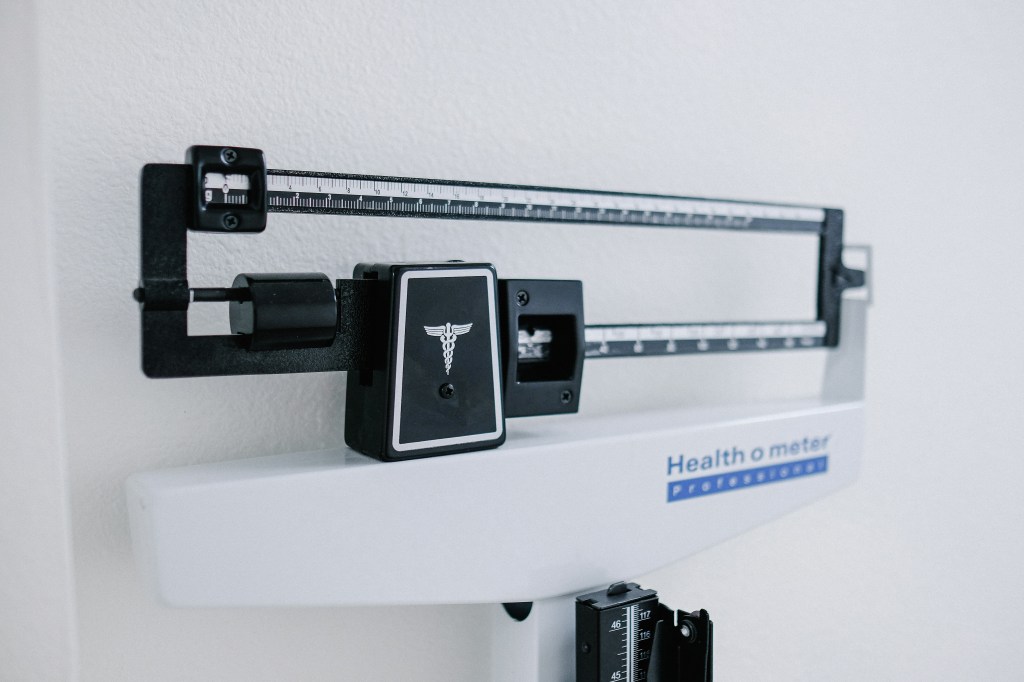
Weight cutting is a part of wrestling, but too often, wrestlers take extreme measures that hurt their performance. Starving yourself, excessive dehydration, and overtraining can lead to muscle loss, fatigue, and increased injury risk. This guide will show you how to cut weight effectively while maintaining strength, endurance, and overall health.
The Dangers of Improper Weight Cutting
Many wrestlers resort to dangerous weight-cutting tactics, including:
- Extreme dehydration – Rapid fluid loss weakens muscles and slows reaction time.
- Starving themselves – A drastic calorie deficit leads to muscle loss and lack of energy.
- Excessive cardio – Long endurance runs break down muscle instead of burning fat.
These methods can cause:
- Loss of muscle mass
- Decreased endurance and strength
- Higher risk of injury and poor performance
Safe weight cutting means being smart about your approach.
Setting a Realistic Weight Goal
A general rule of thumb is to avoid cutting more than 5-7% of your body weight in a short period. Cutting fat should be a long-term process, while minor water weight adjustments can be made in the final days before weigh-ins.
- Choose the right weight class – Stay within a range that allows you to cut weight without extreme methods.
- Plan ahead – Start your cut early instead of trying to lose everything last-minute.
Nutrition for Safe Weight Cutting
Fueling your body correctly is crucial. Here’s what your diet should look like:
- Protein: Lean meats, eggs, Greek yogurt, protein shakes (maintains muscle mass)
- Carbs: Oatmeal, rice, sweet potatoes, fruits (fuel workouts, taper carbs at night)
- Healthy fats: Avocados, nuts, olive oil (helps with hormone balance and recovery)
- Hydration: Stick to water and electrolyte-rich drinks while avoiding high-sodium foods
Meal Timing Tips:
- Eat small, frequent meals throughout the day.
- Reduce processed foods and refined sugar.
- Cut back on carbs closer to weigh-in day, but don’t eliminate them entirely.
Hydration & Water Cutting Strategies
Many wrestlers dehydrate themselves too much before weigh-ins. Instead, use gradual water loading to safely manipulate your weight.
- Increase water intake 5-6 days before weigh-in, then taper down.
- Avoid excessive sodium (causes water retention).
- Use sweating methods moderately (light sauna use, hot baths, sweat suits in short bursts).
Strength & Conditioning Adjustments
Your workout routine should adapt when cutting weight.
- Reduce high-volume weightlifting but continue strength training to maintain power.
- Use short, intense cardio workouts (sprints, bike intervals) instead of long-distance running.
- Wrestling drills and technique work should remain a priority.
The Final 24 Hours Before Weigh-In
If you need to shed a little more weight before stepping on the scale:
- Drink minimal water but don’t completely dehydrate.
- Get a workout in to sweat out excess water.
- Eat light, low-sodium foods that won’t cause bloating.
Post-Weigh-In Recovery: Refueling for Performance
Once weigh-ins are done, your focus should be on rehydration and refueling.
- Drink electrolyte-rich fluids (sports drinks, coconut water, Pedialyte) slowly to avoid bloating.
- Replenish with fast-digesting carbs (rice, oatmeal, fruits) and lean proteins (chicken, eggs, protein shakes).
- Eat small, frequent meals to avoid overwhelming your stomach before competition
Cutting weight doesn’t have to drain your strength. By following a smart approach with proper nutrition, hydration, and training adjustments, you can step on the mat feeling strong and ready to perform at your best.
Want a step-by-step weight-cutting meal plan to follow? Download it below!
